
Technology

Digital Radiography

Advanced digital X-rays that reduce radiation exposure by up to 90% while providing instant, crystal-clear images for faster, more accurate diagnosis and treatment planning.
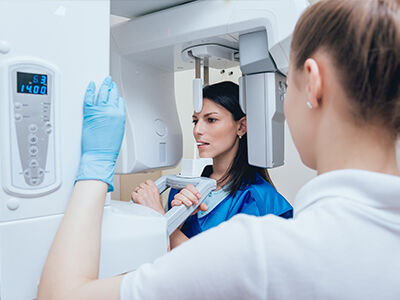
Digital Radiography

What Is Digital Radiography?

Digital radiography uses computer technology and digital sensors to capture, view, store, and share X-ray images. Instead of traditional film, we use an electronic sensor pad that sends images directly to our computer system, where they appear instantly on screen.

This modern approach to dental imaging has transformed how we diagnose and plan treatment, offering significant advantages for your health, comfort, and care.


Why We Use Digital X-Rays

Dramatically Lower Radiation Exposure
The most important benefit of digital radiography is safety. Digital X-rays reduce your radiation exposure by up to 90% compared to traditional film X-rays. This makes routine imaging safer for patients of all ages, including children and pregnant women when X-rays are necessary.

Instant Results
Images appear on our screen within seconds of being taken. There's no waiting for film to develop, which means we can review your X-rays with you immediately during your appointment and answer your questions right away.

Better Image Quality
Digital images are clearer and can be enhanced, enlarged, and adjusted for contrast and brightness. This helps us detect even the smallest areas of concern that might be missed on traditional film, leading to earlier intervention and better outcomes.

Easy Sharing and Storage
Your digital X-rays are stored securely in your electronic patient file and can be easily shared with specialists or other dental offices if you need a referral. No more waiting for films to be mailed or worrying about lost records.

Environmentally Friendly
Digital radiography eliminates the need for chemical developers, fixers, and paper film that traditional X-rays require. This is better for the environment and creates a healthier office space.


How Digital X-Rays Work

Taking a digital X-ray is quick and comfortable. We place a small electronic sensor in your mouth, positioned to capture the area we need to examine. The sensor is similar in size to traditional film but is connected to our computer system.

When we take the image, it's transmitted instantly to the computer screen. The entire process takes just seconds, and you can see the results immediately. We'll walk you through what we're seeing and explain any findings in plain language.


When Digital X-Rays Are Used

Digital radiography is an essential diagnostic tool we use throughout your care:

  • Routine checkups to detect cavities, monitor bone health, and check existing dental work
  • New patient exams to establish a baseline of your oral health
  • Treatment planning for fillings, crowns, root canals, extractions, and implants
  • Monitoring development in children and teens as permanent teeth emerge
  • Evaluating gum disease by measuring bone levels around teeth
  • Diagnosing pain or infection to identify the source of discomfort

Your Safety Is Our Priority

We follow strict guidelines for when X-rays are necessary, taking only the images needed for accurate diagnosis and treatment. Digital technology allows us to provide excellent care while minimizing your exposure to radiation.

If you have questions about why a particular X-ray is recommended or concerns about radiation, we're always happy to discuss them with you.

How it works
01

Sensor Placement

We position a small electronic sensor in your mouth to capture the area we need to examine. It's quick and comfortable.

02

Image Capture

The X-ray is taken in seconds and transmitted instantly to our computer system. No waiting for film to develop.

03

Immediate Review

Your images appear on screen right away. We review them with you, explain our findings, and answer any questions you have.

04

Secure Storage

Images are saved in your electronic patient file for future reference and can be easily shared if you need a specialist referral.

Common questions
How much safer are digital X-rays compared to traditional film?+

Digital X-rays reduce radiation exposure by up to 90% compared to traditional film X-rays. The amount of radiation you receive from a full set of digital dental X-rays is less than what you're exposed to during a short airplane flight or a day in the sun.

How often will I need X-rays?+

It depends on your individual oral health. For most patients with good oral health, we recommend X-rays once a year. If you have a history of cavities, gum disease, or other concerns, we may recommend them more frequently. We only take X-rays when they're necessary for accurate diagnosis and treatment.

Can I get copies of my digital X-rays?+

Absolutely. Because digital X-rays are stored electronically, we can easily provide copies on a CD, send them securely via email, or transfer them directly to another dental office if you need a referral or are moving to a new area.

Get in touchOcean Township, NJ

Ready when you are — let's get you smiling.

New patients are always welcome. Give us a call, and we'll find a time that fits — gentle care, honest answers, no pressure.

  • No-pressure, unhurried first visit
  • We file your insurance for you
  • Easy online booking, day or night
Call (732) 493-4344Contact us